Beginner Dumbbell Workout Plan: An Overview
Discover a free, 4-week dumbbell workout plan designed for women, focusing on building strength and endurance with accessible exercises and printable charts․
What is a Beginner Dumbbell Workout?
A beginner dumbbell workout is a strength training program utilizing dumbbells – versatile weights for building muscle and improving fitness․ These plans are specifically designed for individuals new to weightlifting, emphasizing proper form and gradual progression․
Typically, a beginner plan, like the free 4-week PDF available, focuses on full-body exercises to establish a foundational level of strength․ It incorporates movements like dumbbell squats, bench presses, and rows․ The goal isn’t maximal weight, but mastering technique and building a solid base․

These workouts are often structured with a manageable number of sets and repetitions (8-12 reps is common), allowing for adequate recovery and minimizing the risk of injury; They’re easily adaptable for home use, requiring minimal equipment beyond a set of dumbbells․
Benefits of Dumbbell Training for Beginners
Dumbbell training offers numerous advantages for those starting their fitness journey․ Unlike machines, dumbbells require greater stabilization, engaging more muscle groups and improving overall balance․ This leads to functional strength – strength applicable to everyday activities․
Beginner dumbbell workouts, often found in free PDF plans, promote muscle growth and increased metabolism, aiding in weight management․ They’re also highly versatile, allowing for a wide range of exercises targeting different muscle groups․
Furthermore, dumbbells are relatively inexpensive and space-efficient, making home workouts convenient․ The ability to adjust weight incrementally allows for progressive overload, crucial for continued strength gains․ Consistent dumbbell training builds confidence and improves physical well-being․
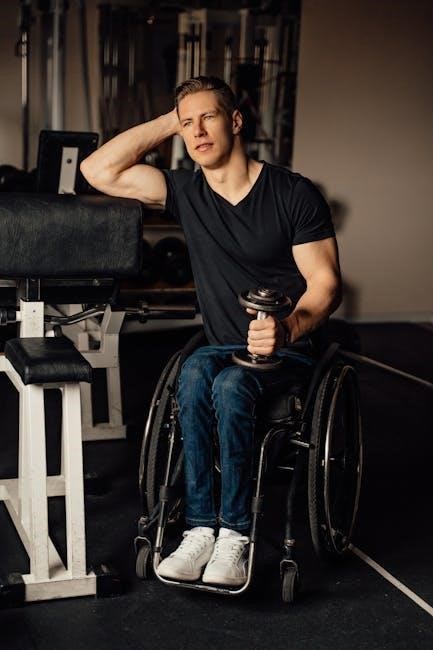
Essential Equipment & Considerations
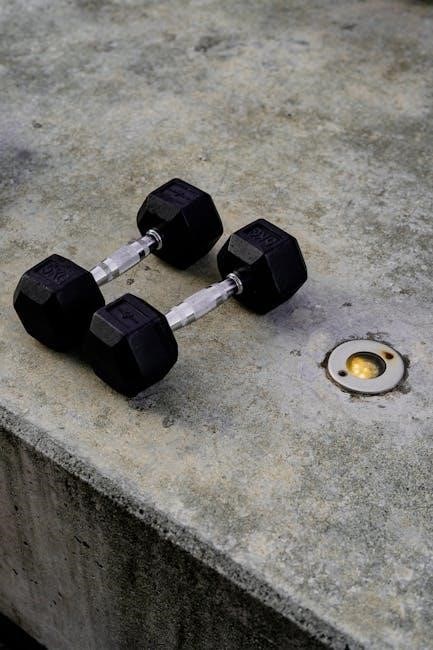
Begin your dumbbell journey with a set of adjustable weights and a stable workout space, ensuring proper form and safety during each exercise․
Choosing the Right Dumbbell Weight
Selecting the appropriate dumbbell weight is crucial for beginners, prioritizing proper form over lifting heavy immediately․ Start with a weight that allows you to complete 8-10 repetitions of each exercise with good technique, feeling challenged but not strained․ For many women, this often begins with 5-10 pound dumbbells․
If you can easily perform more than 12 repetitions, increase the weight gradually – perhaps by 2․5 or 5 pounds․ Conversely, if you struggle to complete 8 repetitions, reduce the weight․ Adjustable dumbbells are a fantastic investment, offering versatility as you progress․ Remember, consistency and correct form are more important than the amount of weight lifted, especially when starting your fitness journey․
Proper Form and Technique
Maintaining proper form is paramount to prevent injuries and maximize the effectiveness of your dumbbell workouts․ Focus on controlled movements throughout each exercise, engaging your core and maintaining a stable posture․ Avoid swinging or using momentum to lift the weights; instead, rely on your muscle strength․
Watch videos demonstrating correct technique for each exercise, paying close attention to body alignment and range of motion․ Start with lighter weights to master the form before increasing the load․ If you’re unsure about your technique, consider consulting a fitness professional for guidance․ Prioritizing form ensures you’re targeting the correct muscle groups and building strength safely․

The 4-Week Beginner Dumbbell Workout Plan
This plan progressively increases intensity over four weeks, building a foundation of strength and endurance with structured workouts for optimal results․
Week 1: Foundation & Familiarization
Week 1 centers on establishing proper form and getting comfortable with the dumbbells․ Focus on mastering the basic movements before increasing weight or repetitions․ This initial phase prioritizes familiarization with exercises like dumbbell bench press, squats, and bent-over rows․ Aim for 8-10 repetitions for 5 sets of the dumbbell bench press, and 10 repetitions for 3 sets of dumbbell squats and rows․
Remember to select a weight that allows you to maintain good technique throughout each set․ Don’t rush the process; quality over quantity is key during this foundational week․ This week is about building a solid base for future progress, ensuring a safe and effective workout journey․
Workout Structure — Week 1
This week’s structure involves three full-body workouts with rest days in between․ Each session should begin with a 5-10 minute warm-up, including light cardio and dynamic stretching․ The core of the workout includes dumbbell bench press (5 sets of 8-10 reps), dumbbell squats (3 sets of 10 reps), and bent-over dumbbell rows (3 sets of 10 reps)․
Focus on controlled movements and proper form throughout․ Finish each session with a 5-10 minute cool-down, incorporating static stretches․ Rest for 60-90 seconds between sets․ Prioritize learning the correct technique over lifting heavy weights․ This structured approach builds a foundation for increased intensity in subsequent weeks, promoting safe and effective progress․
Week 2: Increasing Intensity
Building upon Week 1, Week 2 focuses on gradually increasing the challenge․ Maintain the three full-body workouts per week, but slightly increase the dumbbell weight if comfortable, ensuring proper form isn’t compromised․ Introduce incline dumbbell bench press (4 sets of 8-10 reps) and dumbbell floor press (3 sets of 8-12 reps) alongside existing exercises․

Continue with dumbbell squats and bent-over rows, potentially adding a rep or set․ Shorten rest periods to 60 seconds to further elevate intensity․ Remember, progressive overload is key – small, consistent increases are more effective than drastic jumps․ Listen to your body and adjust as needed, prioritizing technique and preventing injury․
Workout Structure — Week 2
This week’s structure maintains three full-body workouts, performed on non-consecutive days (e․g․, Monday, Wednesday, Friday)․ Each workout begins with a 5-10 minute warm-up, followed by the exercise sequence․ Perform 3-4 sets of each exercise, aiming for 8-12 repetitions, adjusting weight as needed․ Include incline dumbbell bench press (4 sets, 8-10 reps), dumbbell floor press (3 sets, 8-12 reps), dumbbell squats (3 sets, 10 reps), and bent-over dumbbell rows (3 sets, 10 reps)․
Rest for 60 seconds between sets․ Conclude each session with a 5-10 minute cool-down, incorporating static stretches․ Focus on controlled movements and proper form throughout․ Prioritize quality over quantity, and don’t hesitate to reduce weight if form deteriorates․
Week 3: Building Endurance
Week 3 focuses on increasing muscular endurance by slightly reducing the weight and increasing repetitions․ Continue with three full-body workouts per week, spaced out for recovery․ The workout structure remains consistent with previous weeks, but now aim for 3 sets of 12-15 repetitions for each exercise․ Maintain exercises like dumbbell bench press, dumbbell squats, and bent-over dumbbell rows․
Prioritize maintaining good form throughout the increased repetitions․ Shorten rest periods to 45-60 seconds between sets to further challenge your cardiovascular system․ This week is about pushing your limits while ensuring proper technique․ Remember to listen to your body and adjust as needed․
Workout Structure ⎼ Week 3

This week’s structure maintains three full-body workouts, performed on non-consecutive days (e․g․, Monday, Wednesday, Friday)․ Each workout includes a warm-up, followed by a series of dumbbell exercises targeting major muscle groups․ Perform 3 sets of 12-15 repetitions for each exercise, with 45-60 seconds rest between sets․
Sample Workout: 1․ Dumbbell Squats (3×12-15), 2․ Dumbbell Bench Press (3×12-15), 3․ Bent-Over Dumbbell Rows (3×12-15), 4․ Dumbbell Floor Press (3×12-15), 5․ Standing Dumbbell Shoulder Press (3×12-15)․ Finish with a cool-down․ Focus on controlled movements and proper form․ Adjust dumbbell weight if needed to maintain good technique throughout all repetitions․
Week 4: Consolidation & Progression
Week four focuses on solidifying gains and introducing slight progression․ Continue with three full-body workouts per week, maintaining the 3 sets of 12-15 repetitions․ The key is to either slightly increase the dumbbell weight if comfortable, or focus on improving exercise tempo – slowing down the eccentric (lowering) phase of each movement․
Consider adding a slight challenge: Incorporate supersets – performing two exercises back-to-back with minimal rest․ For example, Dumbbell Squats immediately followed by Dumbbell Bench Press․ This boosts intensity and endurance․ Prioritize form over weight․ This week prepares you for more advanced training phases, building a strong foundation․
Workout Structure ⎼ Week 4
This week maintains a full-body approach, three times weekly, with rest days in between․ Each workout includes Dumbbell Bench Press (3 sets of 12-15 reps), Dumbbell Squats (3×12-15), and Bent Over Dumbbell Rows (3×12-15)․ Add Dumbbell Floor Press (3×8-12) and Standing Dumbbell exercises for variety․
Warm-up with 5-10 minutes of light cardio and dynamic stretching․ Cool-down with static stretches, holding each for 30 seconds․ Focus on controlled movements and proper form throughout․ Consider supersets – pairing exercises like squats and bench press – to increase intensity․ Listen to your body and adjust weight as needed․ Prioritize consistency and technique for optimal results․
Key Exercises Included
Essential movements feature Dumbbell Bench Press, Squats, and Bent Over Rows, forming the core of this beginner plan for full-body strength gains․
Dumbbell Bench Press
The Dumbbell Bench Press is a foundational exercise for upper body strength, targeting the chest, shoulders, and triceps․ Beginners should start with a manageable weight, focusing on controlled movements․ Perform 5-8 repetitions for three sets, or 8-10 repetitions for four sets, as indicated in various plans․
Variations like Incline and Floor Presses offer diverse challenges․ The Incline Dumbbell Bench Press emphasizes the upper chest, while the Dumbbell Floor Press limits range of motion, potentially reducing shoulder stress․ Proper form is crucial: lie flat on a bench, feet firmly planted, dumbbells aligned with your chest, and lower them slowly before pressing back up․ Remember to breathe consistently throughout the exercise․
Dumbbell Squats
Dumbbell Squats are a fantastic lower body exercise, effectively working the quads, hamstrings, and glutes․ Beginners should hold a dumbbell in each hand, keeping them close to the body throughout the movement․ Aim for 10 repetitions for three sets, a common recommendation in beginner workout routines․

Maintaining proper form is key: stand with feet shoulder-width apart, chest up, and core engaged․ Lower your hips as if sitting in a chair, keeping your back straight and knees tracking over your toes․ Ensure your knees don’t extend past your toes during the squat․ This exercise builds strength and improves functional movement․ Focus on controlled descent and powerful ascent for optimal results․
Bent Over Dumbbell Rows
Bent Over Dumbbell Rows are crucial for building upper back strength and improving posture․ To perform this exercise, stand with feet shoulder-width apart, holding a dumbbell in each hand․ Hinge at the hips, keeping your back straight and core engaged, until your torso is at roughly a 45-degree angle․
Pull the dumbbells towards your chest, squeezing your shoulder blades together․ Lower the dumbbells slowly and with control․ Aim for three sets of 10 repetitions․ Maintaining a flat back is paramount to prevent injury․ Focus on using your back muscles to initiate the movement, not your arms․ This exercise complements other movements and builds a balanced physique․
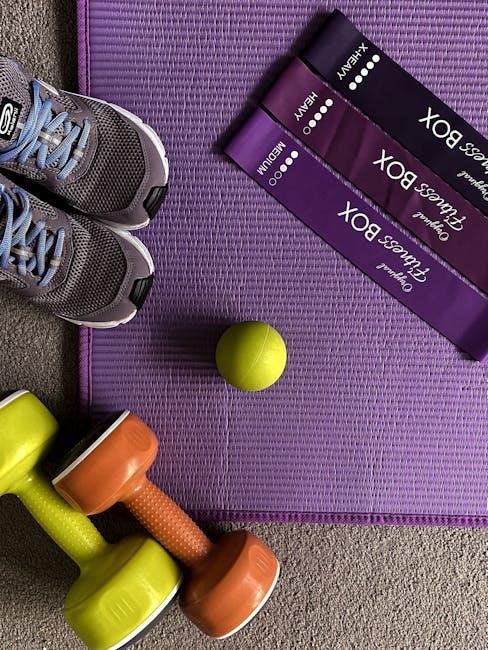
Safety & Recovery
Prioritize warm-up routines, proper form, and adequate rest alongside balanced nutrition to maximize results and minimize injury risk during your workout journey․
Warm-up and Cool-down Routines
Before each dumbbell workout, a dynamic warm-up is crucial․ This prepares your muscles and joints for the upcoming stress, reducing injury risk․ Include arm circles, leg swings, torso twists, and light cardio like jogging in place for 5-10 minutes․
Following your workout, a cool-down is equally important․ Static stretching, holding each stretch for 20-30 seconds, helps improve flexibility and reduce muscle soreness․ Focus on stretching the muscles worked during the session – chest, back, legs, and shoulders․
Don’t skip these routines! They are integral to a safe and effective beginner dumbbell workout plan, promoting recovery and long-term progress․ Consistent warm-ups and cool-downs will enhance your overall fitness experience․
Importance of Rest and Nutrition
Rest is paramount for muscle recovery and growth․ Aim for 7-9 hours of quality sleep each night to allow your body to repair and rebuild muscle tissue damaged during workouts․ Incorporate rest days into your 4-week dumbbell plan – don’t train the same muscle groups on consecutive days․
Nutrition fuels your workouts and aids recovery․ Prioritize a balanced diet rich in protein, carbohydrates, and healthy fats․ Protein is essential for muscle repair, while carbohydrates provide energy․ Hydration is also key; drink plenty of water throughout the day․
Proper rest and nutrition amplify the benefits of your beginner dumbbell workout plan, maximizing results and preventing plateaus․ Listen to your body and adjust your intake accordingly․