Husqvarna 455 Rancher Manual: A Comprehensive Guide
This detailed manual serves as your primary resource for the Husqvarna 455 Rancher, offering guidance on operation, maintenance, and safety protocols for optimal performance.
It’s designed to maximize your chainsaw’s lifespan and ensure safe, efficient woodcutting, covering everything from initial setup to troubleshooting common issues.
The Husqvarna 455 Rancher is a powerful, versatile chainsaw designed for landowners, homeowners, and part-time professionals needing a reliable tool for various cutting tasks. This model strikes a balance between performance and user-friendliness, making it suitable for felling small trees, limbing, bucking, and general property maintenance.
Built with a 50.2cc X-Torq® engine, the 455 Rancher delivers impressive cutting power while reducing fuel consumption and emissions. Its robust construction and ergonomic design contribute to comfortable operation, even during extended use. This manual will guide you through understanding its features, ensuring safe operation, and performing routine maintenance to keep your chainsaw in peak condition.
Whether you’re a seasoned chainsaw user or a beginner, this guide provides essential information to maximize the 455 Rancher’s capabilities. We’ll cover everything from initial setup and safety precautions to detailed instructions on starting, operating, and maintaining your chainsaw, ultimately helping you achieve efficient and safe woodcutting results.
Safety Precautions & Warnings
Chainsaws are inherently dangerous tools, and operating the Husqvarna 455 Rancher requires strict adherence to safety guidelines to prevent serious injury. Always wear appropriate personal protective equipment (PPE), including a helmet, eye protection, hearing protection, gloves, and chainsaw chaps or pants.
Before each use, inspect the chainsaw for damage, ensuring all safety features are functioning correctly. Never operate a damaged chainsaw. Maintain a firm grip with both hands at all times, and be aware of your surroundings, keeping bystanders at a safe distance. Avoid cutting above shoulder height.
Be extremely cautious of kickback, a sudden, uncontrolled upward or backward movement of the chainsaw. Understand kickback zones and avoid cutting with the upper quadrant of the bar tip. Never remove or disable safety devices. Always shut off the engine and disconnect the spark plug wire before performing any maintenance or adjustments. Read and understand this manual completely before operating the chainsaw.
Understanding the Chainsaw Components
The Husqvarna 455 Rancher comprises several key components working in unison for efficient cutting. These include the engine, powering the chain; the bar, guiding the chain; and the chain itself, performing the cutting action. The fuel tank stores the fuel mixture, while the oil tank houses chain lubrication oil.
Familiarize yourself with the location and function of the throttle control, on/off switch, chain brake, and choke. The chain brake is a critical safety feature, instantly stopping the chain in an emergency. The recoil starter initiates the engine, and the air filter protects it from debris.
The clutch engages and disengages the chain drive, and the anti-vibration system reduces operator fatigue. Understanding these components and their interactions is crucial for safe operation and effective maintenance. Regularly inspect each part for wear and damage, replacing as needed to maintain optimal performance.
Engine Overview & Specifications
The Husqvarna 455 Rancher is powered by a 50.2 cc X-Torq® engine, designed for fuel efficiency and reduced emissions while delivering substantial power. This two-stroke engine utilizes a stratified scavenging system, promoting cleaner combustion and lower fuel consumption.
Key specifications include a power output of 3.5 kW (4.7 hp) and a displacement of 50.2 cm³ (3.06 cu. in.). The engine boasts a maximum speed of 9,000 rpm, providing ample power for various cutting tasks. It requires a fuel mixture of unleaded gasoline and two-stroke oil, typically a 50:1 ratio, though always verify with the latest recommendations.
The engine’s robust construction ensures durability and reliability, even under demanding conditions. Regular maintenance, including air filter cleaning and spark plug inspection, is vital for maintaining peak engine performance. Understanding these specifications aids in proper operation and troubleshooting.
Bar and Chain Details
The Husqvarna 455 Rancher is compatible with various bar lengths, typically ranging from 16 to 20 inches, allowing versatility for different cutting applications. The specific bar length chosen should align with the type of wood being cut and the user’s experience level.
The recommended chain pitch is 3/8” with a .050” gauge, ensuring efficient cutting and optimal performance. Husqvarna offers a range of chains designed for different cutting needs, including standard, carving, and ripping chains. Proper chain tension is crucial for safe and effective operation; it should be adjusted regularly.
Regular inspection of the bar and chain is essential for identifying wear and damage. Burrs should be filed down, and a dull chain must be sharpened to maintain cutting efficiency and reduce strain on the engine. Always use appropriate safety gear when handling the bar and chain.
Starting the Husqvarna 455 Rancher
Successfully starting your Husqvarna 455 Rancher requires a specific sequence to ensure reliable ignition and prevent engine flooding. Before attempting to start, always ensure the chainsaw is placed on a firm, level surface, away from flammable materials. Engage the chain brake for safety.
The Rancher utilizes a manual recoil starter. Confirm the choke is engaged for cold starts, and gradually disengage it as the engine warms up. The throttle should be set to the starting position – typically halfway between idle and high speed.
Pull the starter cord with a smooth, firm motion. Avoid jerking the cord, as this can damage the starter mechanism. For a warm engine, the choke may not be necessary. Always follow the detailed starting procedure outlined in this manual for optimal results and prolonged engine life.
Pre-Start Checks
Prior to each use, performing thorough pre-start checks is crucial for safe and efficient operation of your Husqvarna 455 Rancher. Begin by visually inspecting the chainsaw for any signs of damage, including loose parts or cracked components.
Verify the chain brake is functioning correctly. Ensure the chain is properly tensioned and lubricated – a loose or dry chain significantly increases the risk of kickback. Check the fuel and oil levels, replenishing as needed with the recommended fuel-oil mixture and chain oil.

Inspect the air filter for cleanliness. A clogged air filter restricts airflow and reduces engine performance. Confirm all guards and safety devices are securely in place. These checks minimize potential hazards and maximize the lifespan of your Husqvarna 455 Rancher.
Starting Procedure (Cold & Warm Engine)
Starting your Husqvarna 455 Rancher requires a specific procedure, differing slightly based on engine temperature. For a cold start, ensure the choke is engaged and the throttle is set to the starting position. Firmly hold the chainsaw on the ground, activating the chain brake. Pull the starter cord with a smooth, deliberate motion until the engine attempts to start.
Once the engine sputters, disengage the choke and continue pulling until it runs steadily. For a warm start, the choke is typically not needed. Follow the same procedure, but without engaging the choke initially.
Always maintain a firm grip and be prepared for the engine to kick back. If the engine fails to start after several attempts, consult the troubleshooting section of this manual.
Operating Instructions
Safe and efficient operation of your Husqvarna 455 Rancher demands adherence to specific guidelines. Always wear appropriate personal protective equipment, including safety glasses, hearing protection, gloves, and chaps. Before each use, inspect the chainsaw for any damage or loose parts. Ensure the chain is properly tensioned and sharpened.
Maintain a firm grip with both hands, keeping your body balanced and clear of the cutting area. Never overreach or cut above shoulder height. Be mindful of kickback, a sudden, dangerous reaction that can occur when the tip of the bar contacts an object.
Always shut off the engine before refueling, making adjustments, or transporting the chainsaw. Regularly check oil and fuel levels to ensure optimal performance and longevity.
Proper Cutting Techniques
Mastering proper cutting techniques is crucial for safety and efficiency with your Husqvarna 455 Rancher. When bucking (cutting a fallen tree into lengths), avoid pinching the bar by understanding compression and tension forces within the wood. Utilize bore cutting for larger logs, creating a notch before completing the cut.
For limbing (removing branches), position yourself on the opposite side of the branch you’re cutting, maintaining a stable stance. Avoid cutting with the tip of the bar, which increases kickback risk. Always plan your cuts, considering the direction of lean and potential roll of the wood.
Maintain a consistent cutting speed and let the chainsaw do the work; avoid forcing it. Regularly inspect the wood for hidden obstacles like nails or wire, which can damage the chain and pose a safety hazard.
Felling Trees – Basic Principles
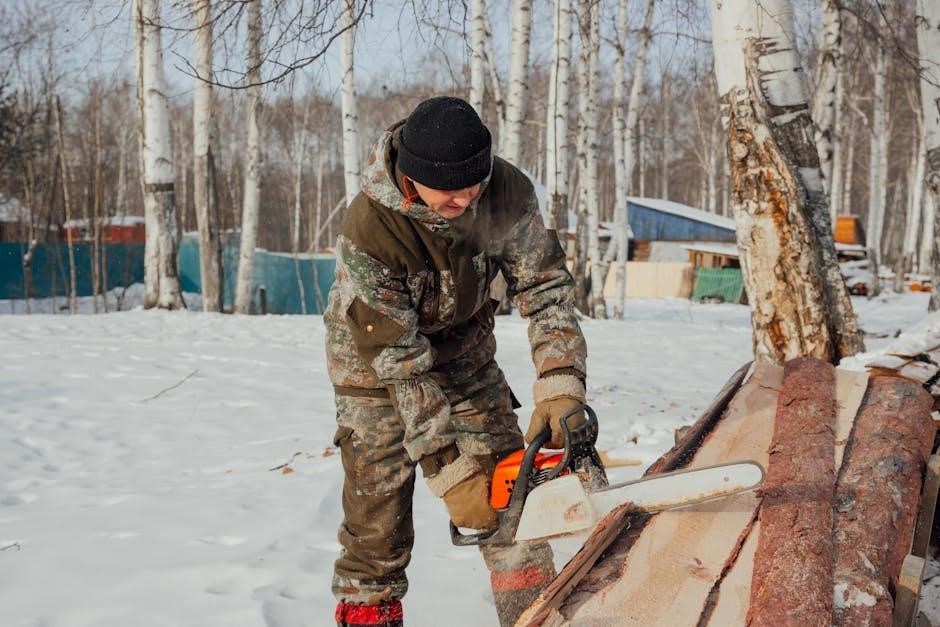
Felling trees requires careful planning and execution for safety. Before starting, assess the tree’s lean, wind direction, and surrounding obstacles. Clear a work area around the tree, establishing escape routes at 45-degree angles from the felling direction.
Create a proper notch – typically a 70-degree open face notch – on the side of the tree you want it to fall. This controls the direction of the fall. Follow with a back cut, leaving a hinge of uncut wood to guide the tree.
Use wedges to help direct the fall, especially with trees leaning in an undesirable direction. Be aware of “barber chairing,” where the tree splits upwards during the fall, and take precautions to avoid it. Always prioritize your safety and never attempt to fell a tree beyond your skill level.
Limbing and Bucking
Limbing and bucking are essential forestry tasks demanding caution. When limbing, work from the base of the tree towards the top, keeping the chainsaw body on the outside of the limb. Avoid cutting with the tip of the bar, as this can cause kickback. Maintain a stable stance and secure footing.
Bucking involves cutting felled trees into manageable lengths. Consider the tree’s tension and compression – cut on the compression side first to prevent pinching the bar. Use appropriate bucking techniques based on the log’s position (supported or unsupported).
Be mindful of spring poles – logs bent under pressure – and relieve the tension before cutting. Always plan your cuts and ensure a safe working environment, free from obstructions and with clear escape routes. Prioritize safety and proper technique.
Maintenance & Servicing
Regular maintenance is crucial for the longevity and performance of your Husqvarna 455 Rancher. Consistent servicing prevents costly repairs and ensures safe operation. This includes daily checks of chain tension, bar lubrication, and overall chainsaw condition before each use.
Periodic maintenance involves more in-depth tasks. Clean or replace the air filter regularly to maintain optimal engine performance. Inspect and sharpen the chain frequently for efficient cutting. Check and replace the spark plug as needed.
Don’t neglect the fuel and oil systems. Use fresh fuel and a quality bar and chain oil. Periodically clean the fuel tank and strainer. Proper maintenance extends the life of your chainsaw and keeps it running smoothly, maximizing your productivity and safety.
Chain Sharpening Guide
Maintaining a sharp chain is paramount for safe and efficient cutting with your Husqvarna 455 Rancher. A dull chain requires more force, increasing the risk of kickback and operator fatigue. Regular sharpening ensures clean cuts and prolongs the life of both the chain and the bar.
Use a round file of the correct size and a sharpening guide. Maintain the correct filing angle, typically 30 degrees, for optimal performance. File each cutter tooth consistently, ensuring uniform length and depth. Always sharpen from the inside of the tooth outwards.
After sharpening, check the depth gauges. These should be slightly above the level of the cutters. Use a flat file to adjust them if necessary. Properly sharpened chain dramatically improves cutting speed and reduces the risk of accidents.
Bar Maintenance & Flip
Consistent bar maintenance is crucial for extending the life of your Husqvarna 455 Rancher’s cutting system. Regularly inspect the bar for wear, burrs, and damage. Clean the bar groove thoroughly after each use to remove sawdust and debris, preventing premature wear of the chain and sprocket.
Periodically flipping the bar reverses wear patterns, ensuring even distribution and maximizing its lifespan. Check the bar rails for straightness; any bending can cause improper chain tracking and increased wear. Lubricate the bar rails and sprocket nose frequently during operation to minimize friction and heat buildup.
Inspect the sprocket for wear and replace it when necessary. A worn sprocket can significantly reduce cutting efficiency and damage the chain. Proper bar maintenance, including regular cleaning and flipping, contributes to safer and more efficient operation.
Air Filter Cleaning & Replacement
Maintaining a clean air filter is paramount for optimal engine performance of your Husqvarna 455 Rancher. A dirty air filter restricts airflow, leading to reduced power, increased fuel consumption, and potential engine damage. Inspect the air filter before each use, and clean it more frequently in dusty conditions.
For foam filters, wash gently with warm water and mild detergent, then allow to dry completely before re-oiling with air filter oil. For felt or nylon filters, tap gently to remove loose debris, or use compressed air – blowing from the inside out. Replace the air filter when it becomes damaged or excessively dirty, as a compromised filter offers inadequate protection.
Regular air filter maintenance ensures consistent engine operation and prolongs the life of your chainsaw. Ignoring this simple task can lead to costly repairs and diminished cutting performance. Always refer to the parts diagram for the correct filter type.
Spark Plug Inspection & Replacement
Regular inspection of the spark plug is crucial for maintaining reliable ignition and engine performance in your Husqvarna 455 Rancher. A fouled or worn spark plug can cause difficult starting, misfiring, and reduced power. Inspect the spark plug every 50-100 hours of operation, or sooner if you experience starting problems.
Check the electrode for carbon buildup, wear, or damage. Clean a lightly fouled plug with a wire brush, ensuring the gap remains correct – typically 0.025 inches (0.635 mm). Replace the spark plug if it’s heavily fouled, cracked, or the electrodes are significantly worn. Use only the recommended spark plug type specified in the parts list.
Proper spark plug maintenance ensures efficient combustion and prevents engine damage. Always disconnect the spark plug wire before performing any inspection or replacement. Tighten the new spark plug to the manufacturer’s specified torque.
Fuel System Maintenance
Maintaining a clean fuel system is vital for the consistent operation of your Husqvarna 455 Rancher. Stale fuel and debris can clog the carburetor, leading to starting issues and reduced engine performance. Always use fresh fuel (gasoline mixed with two-stroke oil) and avoid fuels containing ethanol above 10%.

After each use, or at the end of the season, drain the fuel tank completely to prevent fuel degradation. Periodically inspect the fuel lines for cracks or leaks, replacing them as needed. The fuel filter, located within the fuel tank, should be cleaned or replaced every 50-100 hours of operation.
If the carburetor becomes clogged, it may require professional cleaning or rebuilding. Never attempt to disassemble the carburetor unless you have the proper tools and expertise. Proper fuel system maintenance ensures optimal engine performance and extends the life of your chainsaw.
Oil System Maintenance
Consistent lubrication is crucial for the longevity of your Husqvarna 455 Rancher’s bar and chain. The automatic oiler delivers bar and chain oil to reduce friction and wear during operation. Regularly check the oil level in the oil tank and refill as needed with a high-quality bar and chain oil.
Inspect the oiler outlet for blockages, ensuring a consistent flow of oil to the bar. Periodically clean the oil tank to remove any accumulated debris that could clog the system. Adjust the oiler output to match the cutting conditions – more oil is needed during heavy use or when cutting dry wood.
Avoid over-oiling, as this can lead to excessive buildup of sawdust and debris. Proper oil system maintenance prevents premature wear of the bar and chain, ensuring efficient cutting and extending the life of your chainsaw.
Troubleshooting Common Issues
Encountering problems with your Husqvarna 455 Rancher is sometimes unavoidable, but many issues are easily resolved. If the chainsaw won’t start, check the fuel level, spark plug, and air filter – these are common culprits. A chain that stops during cutting may indicate insufficient chain tension, a dull chain, or an overloaded engine.
Excessive vibration often points to a damaged chain, a loose bar, or worn engine mounts. Always address vibration promptly to prevent further damage and ensure operator comfort. If you notice unusual noises, immediately stop the chainsaw and investigate the source.
Refer to the detailed sections within this manual for specific solutions to these and other potential problems. Remember to always disconnect the spark plug wire before performing any maintenance or troubleshooting.
Chainsaw Won’t Start
If your Husqvarna 455 Rancher fails to start, systematically check several key components. First, ensure fresh fuel is in the tank and the fuel valve is open. A clogged air filter restricts airflow, preventing ignition; clean or replace it as needed. Inspect the spark plug for fouling or damage – a faulty plug won’t create the necessary spark.
Verify the spark plug wire is securely connected. Check the choke lever’s position; it should be engaged for cold starts and disengaged for warm starts. Confirm the kill switch is in the ‘run’ position. If the engine turns over but doesn’t fire, the ignition system may require professional attention.
Always disconnect the spark plug wire before inspecting or cleaning any engine components. Refer to the ‘Pre-Start Checks’ section to ensure all preliminary steps are completed correctly.
Chain Stops During Cutting
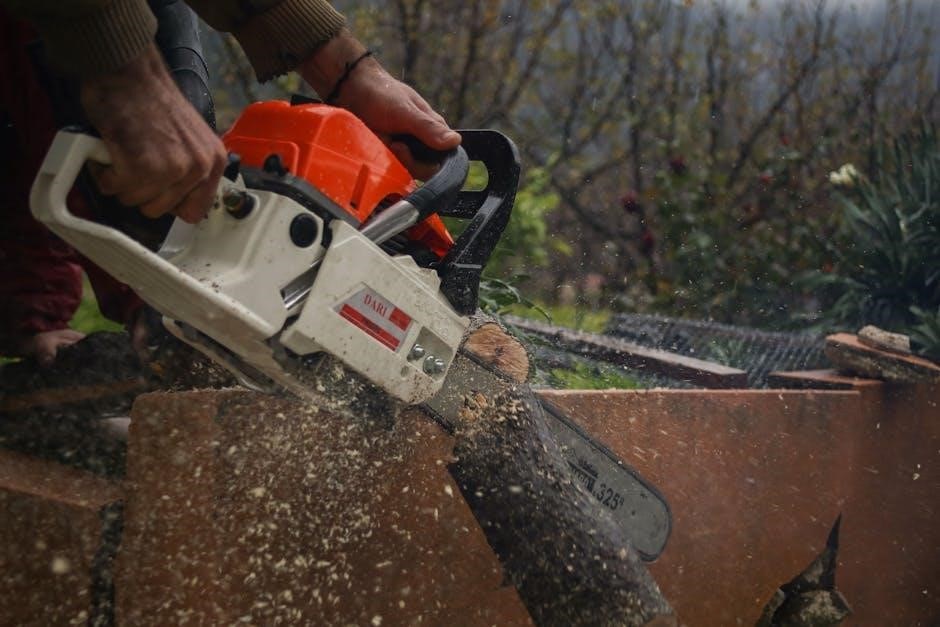
If the chain on your Husqvarna 455 Rancher abruptly stops during a cut, several factors could be at play. A primary cause is often a pinched chain, occurring when the wood closes in on the guide bar. Release the throttle and carefully retract the chainsaw. Check for debris accumulation, such as sawdust or wood chips, obstructing the chain’s movement; clear any obstructions immediately.
A dull chain requires more force and can stall under pressure. Sharpen the chain according to the ‘Chain Sharpening Guide’ section. Insufficient chain lubrication leads to increased friction and potential stalling; ensure the oil reservoir is full and the oiler is functioning correctly.
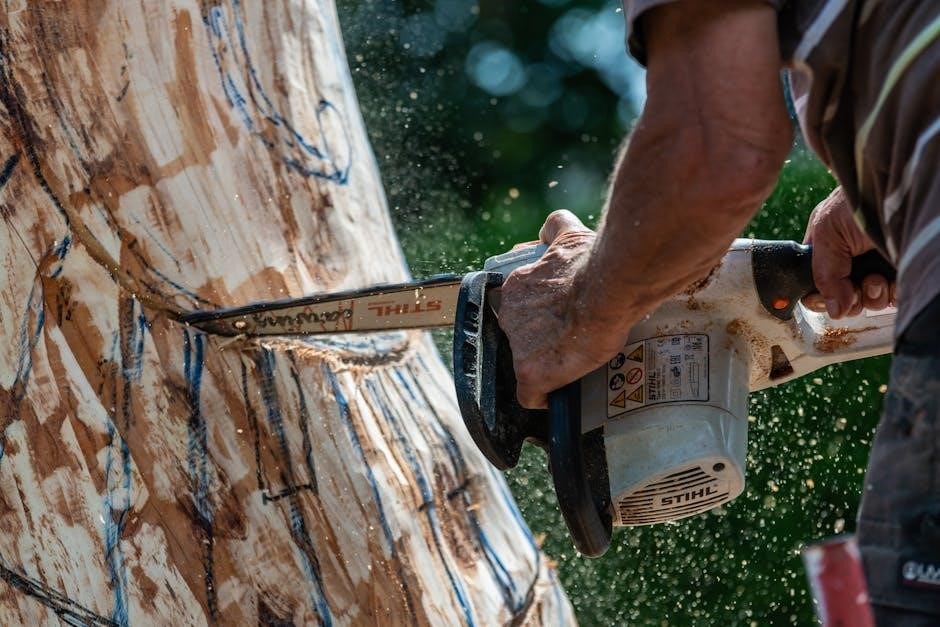
Inspect the drive sprocket for wear or damage. Overheating can also cause the chain to stop; allow the engine to cool before resuming cutting. If the issue persists, consult a qualified technician.
Excessive Vibration
Noticeable and unusual vibration during operation of your Husqvarna 455 Rancher demands immediate attention. A common cause is a damaged or worn recoil starter, or loose components. Inspect the mounting bolts for the handle and ensure they are tightened to the manufacturer’s specifications. Check the anti-vibration system; damaged or deteriorated rubber mounts significantly increase vibration levels.
A dull or unevenly sharpened chain contributes to increased vibration. Sharpen the chain following the instructions in the ‘Chain Sharpening Guide’. Ensure the bar is correctly seated and the chain tension is appropriate. Inspect the sprocket for wear, as a worn sprocket exacerbates vibration.
If vibration persists despite these checks, a potential engine imbalance may exist. Consult a qualified service technician for a thorough inspection and repair. Ignoring excessive vibration can lead to operator fatigue and potential long-term health issues.
Husqvarna 455 Rancher Parts Diagram
A detailed exploded view diagram of the Husqvarna 455 Rancher is crucial for identifying components during maintenance and repair. This diagram illustrates each part, its position within the chainsaw assembly, and corresponding part numbers for easy ordering.
The diagram typically categorizes parts by assembly: engine, fuel system, ignition system, cutting equipment (bar, chain, sprocket), and housing components. Each part is labeled with a unique identifier, cross-referenced with a comprehensive parts list. This list provides the official Husqvarna part number, description, and potential compatibility notes.
Accessing the parts diagram is often facilitated through the Husqvarna website or a dedicated parts catalog. Ensure you are referencing the diagram specific to your chainsaw’s model year to guarantee accurate part identification. Using the correct part number is vital when ordering replacements to ensure proper fit and function.
Ordering Replacement Parts
Securing genuine Husqvarna replacement parts is essential for maintaining the performance and longevity of your 455 Rancher. Several avenues are available for ordering, ensuring you receive authentic components.
Authorized Husqvarna dealerships are the most reliable source, offering expert advice and readily available stock. Online retailers specializing in Husqvarna parts provide convenience and often competitive pricing. When ordering, always have your chainsaw’s model number and the specific part number (from the parts diagram) readily available.
Double-check compatibility before finalizing your purchase, especially for parts like chains and sprockets. Consider purchasing common wear items, such as spark plugs and air filters, in bulk to save on future costs. Beware of counterfeit parts, which may compromise safety and performance.
Warranty Information
Your Husqvarna 455 Rancher is covered by a manufacturer’s warranty, protecting against defects in materials and workmanship. The standard warranty period typically begins from the original date of purchase, and varies depending on the region and intended use – residential or commercial.
Generally, residential use warranties are more extensive than those for professional applications. It’s crucial to register your chainsaw with Husqvarna to activate the warranty and ensure seamless claims processing. Keep your original purchase receipt as proof of date and location of purchase.
The warranty does not cover damage resulting from misuse, improper maintenance, or normal wear and tear. Modifications or repairs performed by unauthorized service centers may void the warranty. For detailed warranty terms and conditions, refer to the separate warranty document included with your chainsaw or visit the official Husqvarna website.