What Are Multiplication Coloring Worksheets?
Multiplication coloring worksheets are free PDF printables that blend math practice with art․ They let students color equations while solving tables‚ boosting fact fluency and memory․ These engaging sheets are ideal for homework‚ classroom activities‚ and holiday crafts․Download them todayfor colorful boost․
Definition and Core Concept
Multiplication coloring worksheets are free PDF printables that merge arithmetic practice with visual creativity․ Each sheet presents multiplication tables‚ algebraic expressions‚ or polynomial products in a color‑filled format‚ allowing students to solve equations while choosing hues․ The core idea is to transform repetitive fact drills into an engaging‚ hands‑on activity that reinforces memory through association with colors and shapes․ By coloring the results of 3×4 or 5×7‚ learners create a mental link between the numeric outcome and a visual cue‚ which research shows can improve retention․ These worksheets often include an answer key‚ so students can check their work immediately‚ fostering self‑confidence․ The free nature of the PDFs means teachers and parents can download‚ print‚ and distribute them without cost‚ making them ideal for classroom use‚ homework assignments‚ or holiday crafts․ They are especially useful for students who benefit from multisensory learning‚ as the act of coloring engages fine motor skills while reinforcing multiplication facts․ In addition to basic tables‚ many printable sets feature polynomial multiplication activities‚ turning abstract algebraic concepts into tangible‚ color‑coded problems that make complex topics approachable and memorable for early‑grade learners․ The design of these worksheets often incorporates themed illustrations—such as animals‚ space‚ or seasonal motifs—that align with the multiplication problem‚ providing contextual relevance that can spark curiosity and sustain motivation․ Teachers can use them as a diagnostic tool to identify gaps in fact fluency‚ while parents can incorporate them into daily routines to reinforce skills in a low‑pressure setting․ Because the worksheets are available in PDF format‚ they can be printed on standard paper or laminated for repeated use‚ and the color‑coding system can be customized to match a classroom color scheme or a student’s favorite palette․ During review sessions‚ educators can have students color a new set of problems while reciting the answers aloud‚ creating a multisensory reinforcement loop that strengthens neural pathways associated with multiplication․ Students can also share their colored sheets with peers‚ fostering collaborative learning and peer feedback․ Because the worksheets are downloadable‚ they can be updated regularly to reflect curriculum changes or to introduce new challenges‚ ensuring that the learning experience remains fresh and aligned with educational standards․ Ultimately‚ multiplication coloring worksheets represent a low‑cost‚ high‑impact strategy that blends cognitive and motor development‚ making the abstract nature of multiplication tangible and enjoyable for learners of all ages․

Where to Find Free PDF Printables
Free PDF multiplication coloring worksheets can be downloaded from reputable sites such as Printablee‚ which offers algebraic coloring activities with answer keys‚ and The Simple Homeschooler‚ providing instant downloads for third‑grade practice․ These sites host themed sheets for holidays anddaily use
Top Reputable Online Sources
Among the most trusted portals for free multiplication coloring worksheets‚ Printablee stands out with its specialized polynomial coloring activity that includes a comprehensive answer key‚ making it a favorite for algebra‑ready learners․ The site’s design focuses on visual engagement‚ turning abstract multiplication into a colorful‚ hands‑on experience that reinforces memory and fact fluency․ Another highly regarded source is The Simple Homeschooler‚ which offers a bundle of ten instant‑downloadable worksheets tailored for third‑grade students․ These sheets combine standard multiplication tables with fine‑motor prompts‚ enabling parents and teachers to seamlessly integrate practice into daily routines or holiday crafts․ Both platforms provide high‑resolution PDFs that are printer‑friendly‚ ensuring that students can color on any paper type without bleed or distortion․ The combination of clear instructions‚ answer keys‚ and creative themes makes these sites reliable choices for educators seeking to blend math skill development with artistic expression․ By leveraging these reputable resources‚ learners can enjoy a balanced approach that nurtures both cognitive and motor skills while keeping the learning process lively and accessible․ Parents can access these resources with a simple registration‚ and teachers can incorporate them into lesson plans without additional cost․ The user‑friendly interface allows quick search by grade level or topic‚ ensuring that every student finds a worksheet that matches their learning pace․ Because the PDFs are lightweight‚ they load instantly‚ making them ideal for both online and offline use․ These platforms also encourage community feedback‚ allowing educators to share custom adaptations and success stories‚ further enriching the learning ecosystem!!!

Educational Advantages
Free multiplication coloring worksheets merge visual art with math‚ boosting fact fluency and memory․ Students color while solving tables‚ reinforcing patterns and recall․ The engaging format reduces anxiety‚ encourages repetition‚ and supports differentiated learning for diverse skill levels and confidence․
Improving Fact Fluency and Memory

When students engage with free multiplication coloring worksheets‚ the dual focus on visual stimulation and repetitive practice creates a powerful learning loop․ The act of coloring each product anchors the numeric value in a concrete image‚ turning abstract multiplication into a tactile memory cue․ Research shows that multisensory input—combining sight‚ touch‚ and kinesthetic movement—enhances retention for young learners․ By repeatedly coloring the same table‚ students reinforce the order of operations and the symmetry of multiplication‚ which naturally improves fact fluency․ The worksheets often include a color key that associates specific products with hues‚ allowing children to recall numbers through color associations․ This mnemonic strategy is especially effective for students who struggle with rote memorization․ Moreover‚ the free PDF format ensures that teachers and parents can print unlimited copies‚ enabling consistent daily practice without cost barriers․ As students color‚ they also practice fine motor control‚ which supports the development of a steady hand for writing numbers․ The combination of these elements results in faster recall times and a deeper understanding of multiplication relationships‚ laying a solid foundation for higher‑level algebraic concepts․ These printable resources also encourage collaboration when shared in group activities‚ fostering peer discussion and problem‑solving․ By integrating tables into drills‚ students develop a retrieval speed and builds confidence for tackling algebraic challenges ․

Motor Skill Development Through Coloring
Free multiplication coloring worksheets turn math practice into a activity․ Children trace tables‚ improving hand‑eye coordination‚ grip control․ Repetitive strokes reinforce muscle memory‚ boosting fact fluency and confidence․ It boosts confidence and creativity!!
Enhancing Fine Motor Dexterity
Free multiplication coloring worksheets offer a dual benefit: reinforcing arithmetic facts while cultivating fine motor skills․ By tracing multiplication tables‚ students practice controlled pencil strokes‚ improving hand‑eye coordination and grip strength․ The repetitive motion required to color within lines strengthens finger muscles‚ aiding precision in later tasks such as writing or using tools․ Moreover‚ choosing colors for specific products encourages decision making and planning‚ which further engages motor planning circuits․ The visual feedback from completed sections provides immediate reinforcement‚ motivating continued practice․ Parents and teachers can monitor progress by noting the speed and accuracy of coloring‚ adjusting difficulty as needed․ These worksheets also allow for varied color palettes‚ enabling children to experiment with hues‚ which supports sensory integration and color recognition․ Overall‚ the combination of math content and artistic activity makes learning enjoyable and effective‚ ensuring that children develop both cognitive and motor proficiency simultaneously․ These worksheets can be printed in various sizes‚ allowing flexibility for different classroom setups and home use․ Teachers can also use them to assess progress‚ noting which multiplication tables students find most challenging․ Parents can encourage their children to create their own color schemes‚ fostering creativity alongside mathematical skill․ Because the worksheets are free PDF‚ they can be shared widely‚ ensuring access to educational resources! Additionally‚ the use of bright colors helps maintain engagement‚ especially for younger learners․

Using Worksheets in Classroom Settings
Teachers can distribute free PDF multiplication coloring worksheets during math lessons‚ turning routine practice into art․ Students color tables while solving‚ reinforcing facts and fine‑motor skills․ These sheets support differentiated instruction‚ allowing quick assessment of fact fluency and engagement!
Lesson Plan Integration Techniques
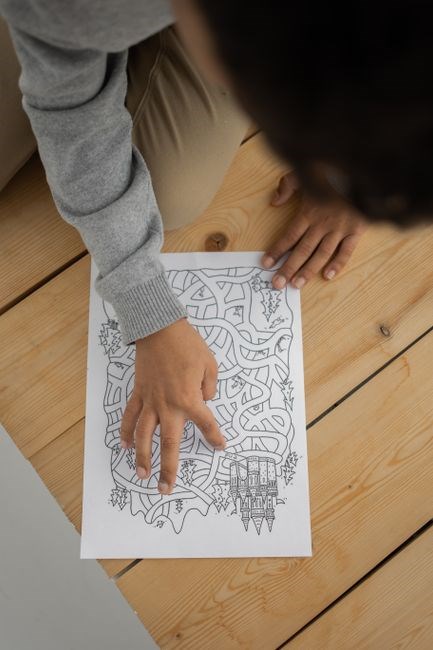
When incorporating free PDF multiplication coloring worksheets into a daily math routine‚ start with a brief warm‑up that reviews key facts․ Then distribute the worksheets as a hands‑on activity‚ encouraging students to color each product while writing the answer․ Use small groups so learners can discuss strategies‚ and rotate roles so everyone practices both coloring and solving․ After the activity‚ collect the sheets for a quick formative assessment: check color accuracy and fact correctness․ For differentiation‚ provide worksheets with varying table ranges—some students tackle 1–5‚ others 6–10 or 10–12․ Offer color‑coding prompts: for example‚ color all multiples of 3 in blue‚ helping visual learners link patterns․ Incorporate technology by scanning completed sheets into a shared drive‚ allowing teachers to track progress digitally․ Finally‚ close the lesson with a reflection prompt: “Which color helped me remember the fact?” This technique turns routine practice into a multimodal learning experience‚ reinforcing both arithmetic fluency and fine‑motor skills․

To extend the lesson‚ schedule a “color‑by‑multiplication” competition where students race to color a full table correctly․ Reward accuracy with stickers or extra coloring time․ For homework‚ assign a printable worksheet that matches the day’s focus‚ ensuring consistency․ Teachers can also create a “color chart” that students fill over weeks‚ tracking growth․ This visual record serves as a motivational tool and provides data for end‑of‑term reviews․
Additionally‚ integrate connections by pairing multiplication facts with scenarios: for instance‚ coloring a pizza slice diagram to represent 3×4 slices․ This contextualizes abstract numbers‚ making practice relevant․ Record observations in a lesson log to refine future use of the worksheets․ Students enjoy learning now!

Tips for Parents and Home Learning
Use free PDF coloring sheets for daily practice․ Set a 10‑minute routine‚ let kids color while solving tables․ Rotate colors to keep interest․ Review answers together‚ praising effort․ Store sheets in a folder for quick access․ Encourage sharing with siblings for collaborative fun․ Practice dailyenjoy math․
Effective Homework Practices
Start with a clear‚ short goal: one multiplication table per session․ Print a free PDF coloring sheet and place it on the table․ Let your child color each product while saying the equation aloud; this dual‑task approach reinforces memory․ After coloring‚ have them write the answer in a neat box․ If they finish early‚ move to the next table or add a challenge: color a product and then solve the reverse multiplication․ Use a timer to add a friendly race element‚ but emphasize accuracy over speed․ Review the sheet together‚ correcting mistakes and discussing patterns—such as how 4×6 and 6×4 share the same color․ Keep a homework log: note the date‚ table covered‚ and any difficulties․ Encourage reflection by asking‚ “What did the colors help you remember?” Finally‚ reward consistency with a small sticker or extra coloring time‚ turning practice into a positive‚ creative habit․ If your child struggles with a particular table‚ use a color‑coded chart: assign a unique color to each factor‚ so repeated patterns become visually obvious․ For example‚ all multiples of 3 could be blue‚ multiples of 5 green‚ etc․ This visual cue helps them spot relationships․ Also‚ consider integrating a review of the previous table; recap keeps the learning loop tight․ Encourage your child to explain the reasoning behind each multiplication‚ fostering deeper understanding․ Finally‚ schedule a weekly “color‑and‑calculate” session where the child presents their completed sheet to you‚ reinforcing accountability and pride in their work․ Builds confidence daily․
Customization and Adaptation Options
Free PDF worksheets adaptable․ Use a PDF editor to change colors‚ add names‚ adjust difficulty by adding/removing tables․ For younger learners‚ color single‑digit products․ For advanced‚ embed word problems or higher tables․ Customization keeps practice engaging․
Adjusting Difficulty and Themes
Free PDF worksheets can be tweaked to match any learner’s level․ For beginners‚ keep tables to 5×5 or 6×6‚ color each product with a single hue‚ and add a name banner so the child feels ownership․ For intermediate students benefit from 10×10 grids‚ mixed‑color palettes‚ and optional “quick‑draw” prompts that ask them to sketch a shape that represents the product․ Advanced users can incorporate polynomial multiplication‚ where each term is colored differently‚ or extend tables to 12×12 for a challenge․ Themes are equally flexible: holiday motifs (Halloween pumpkins‚ Christmas trees‚ spring flowers) can replace plain backgrounds‚ and seasonal colors keep engagement high․ Using a lightweight PDF editor‚ teachers or parents can insert custom text‚ change line thickness‚ or replace the default color scheme with brand‑oriented palettes․ This adaptability ensures the worksheets remain fresh‚ motivating‚ and aligned with curriculum goals while keeping the fun‚ visual aspect intact․
Teachers can also layer difficulty by introducing time‑based challenges‚ such as coloring a 4×4 grid within 30 seconds‚ or by integrating word problems that require multiplication before coloring․ Parents might create themed color‑by‑number sheets where each number corresponds to a specific shade‚ reinforcing number recognition․ For tech‑savvy classrooms‚ PDFs let students click a product to see its color‚ adding a feel․ These adaptable tools support diverse learning styles‚ keep practice engaging‚ and help students build confidence while mastering multiplication concepts․